
RSV
What is RSV?
Respiratory syncytial virus (RSV) is a common respiratory virus that usually causes mild, cold-like symptoms. People who contract RSV usually recover in around a week without the need for medical treatment. However, in infants under six months of age, older adults, and people with a compromised immune system, RSV can cause severe illness and death.
In Europe, RSV is responsible for the hospitalisation of around 250 000 children under five, with some requiring intensive care, and roughly 160 000 adults each year. One in twenty older people in Europe contract RSV every year.
At a glance: RSV in Europe
- Respiratory disease caused by a virus
- RSV spreads easily through the air
- Around 250 000 hospitalisations of children and 160 000 hospitalisations of adults every year
- RSV can cause serious illness in infants, older people and in people with weak immune systems
- Vaccination can prevent RSV and its complications
What are the symptoms of RSV?
RSV affects different age groups differently, but the most common symptoms of the condition include:
- Cough
- Sneezing
- Fever
- Runny nose
- Wheezing
- Sore throat
- Headache
- Congestion
- Fatigue
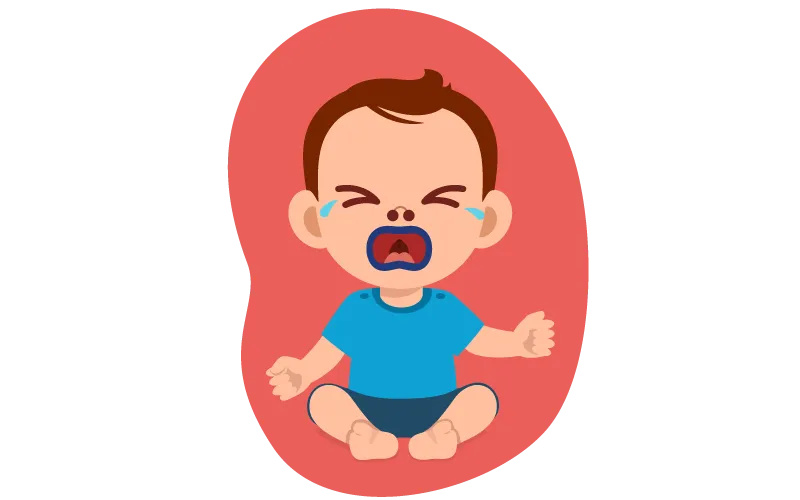
Infants who contract RSV may develop different symptoms such as:
- Irritability
- Decrease in appetite
- Changes in their breathing pattern
- Apnoea (temporary cessation of breathing, especially during sleep)
In children under 5 years of age, RSV can also cause:
- Rapid breathing
- Trouble swallowing
- Sepsis
Adults with RSV may also experience:
- Disorientation
- Shortness of breath
What are the complications of RSV?
While most cases are mild, RSV can worsen existing medical conditions and cause serious complications that can be life-threatening. Complications of severe RSV infection include bronchiolitis in infants and young children, the inflammation of the small airways in the lung, and pneumonia, an infection of the lungs.
In infants and young children, the signs of severe RSV infection that require urgent medical attention are linked to difficulty breathing. Short shallow breaths, flaring of the nostrils when inhaling, noisy breathing, pauses in breathing, and caving of the chest signify the need for urgent medical care. In addition, parents should look for blue or grey colouring of the lips, mouth or fingernails as this is a sign of critically low blood-oxygen levels.
Infants may also develop sepsis, an infection of the bloodstream that can cause a variety of symptoms including a drop in blood pressure, increase in heart rate and fever. Older adults with RSV may develop complications such as the worsening Chronic Obstructive Pulmonary Disease (COPD), and heart disease.
How RSV spreads?
RSV spreads from person-to-person primarily via droplets released into the air by a person with an infection (particularly when speaking, singing, shouting, sneezing, coughing etc.). These droplets can then reach other people close by, who can breathe them in.
People with RSV usually spread the virus for 3 to 8 days and can start spreading it a day or two before they feel sick. Some babies and people with weak immune systems can keep spreading RSV for 4 weeks or more, even after they seem better.
Larger particles (droplets) can also land on surfaces that other people may touch, causing them to pick the virus up on their hands and get the infection when they touch their eyes, nose, or mouth. This is a common means of transmission for infants and young children who touch contaminated surfaces and toys or put them in their mouths.
Who is at risk of RSV?
RSV can affect people of any age and almost all children would have had the illness by the time they are two years old.
Those most at risk of severe disease include premature infants and those under six months old, older adults and those with weakened immune systems or pre-existing conditions such as diabetes, heart disease, and lung disease.
How can RSV be prevented?
To protect populations at risk of severe RSV disease, several types of immunisation products for different population groups have been authorised in the EU in recent years. National guidelines indicate which of these are recommended in each country.
Monoclonal antibodies are laboratory-made proteins that act like precise tools to help your body fight a specific pathogen. In case of RSV, monoclonal antibodies are given to neonates and infants to protect them from severe RSV during their first RSV season and can be given to children up to 24 months of age who remain vulnerable to severe RSV disease through their second RSV season.
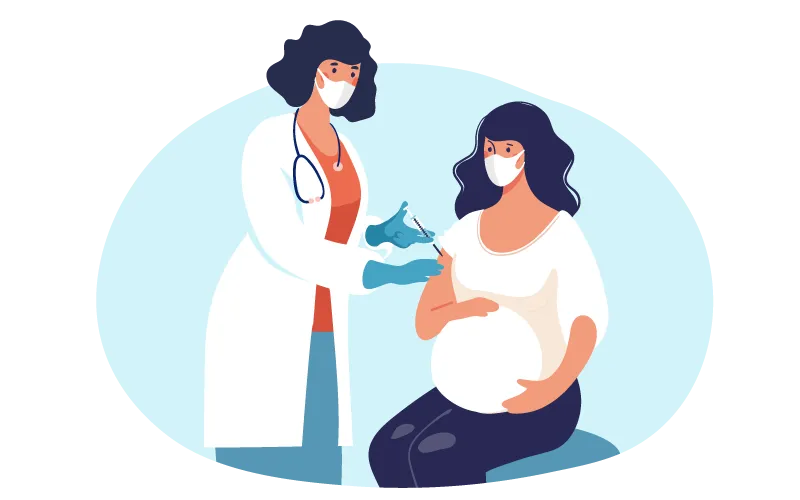
There is also an RSV vaccine authorised for adults from 18 years of age and older, which is also authorised as a maternal vaccine. Depending on national recommendations, this vaccine is given during pregnancy to help protect infants by transferring protective antibodies to the foetus through the placenta.
Two other RSV vaccines are authorised for adults 60 years of age and older, and each also has indications for specific younger age groups at higher risk of severe disease.
Taking the following steps can help limit the spread of RSV and protect people vulnerable to severe disease:
- washing or sanitising hands frequently
- covering your nose and mouth when sneezing
- avoiding contact with others when sick
How is RSV treated?
Mild cases of RSV do not usually require any treatment as people recover on their own after a few days. Infants under six months may require a hospital stay to monitor their breathing and oxygen levels.
In severe cases, hospital treatment may include supportive care and breathing support alongside specific treatments for complications that may arise.
Learn more

This infographic explains what RSV (respiratory syncytial Virus) is and how you can protect yourself against it.

This leaflet explains who should get vaccinated against RSV, the symptoms and how it spreads.
This poster explains who are at risk of serious illness from RSV and how to prevent this.