
COVID-19
What is COVID-19?
COVID-19 is the disease caused by the severe acute respiratory syndrome coronavirus-2 (SARS-CoV-2).
A COVID-19 outbreak, which began in late 2019 and spread worldwide in early 2020, caused severe social and economic disruption before WHO's Director-General determined in 2023 that COVID-19 was no longer a public health emergency of international concern.
At a glance
- Respiratory disease caused by a virus;
- COVID-19 spreads easily through the air;
- Over 778 million cases and seven million deaths worldwide since 2020;
- Can cause severe complications in older people and those with weak immune systems;
- Vaccination protects against severe COVID-19 symptoms.
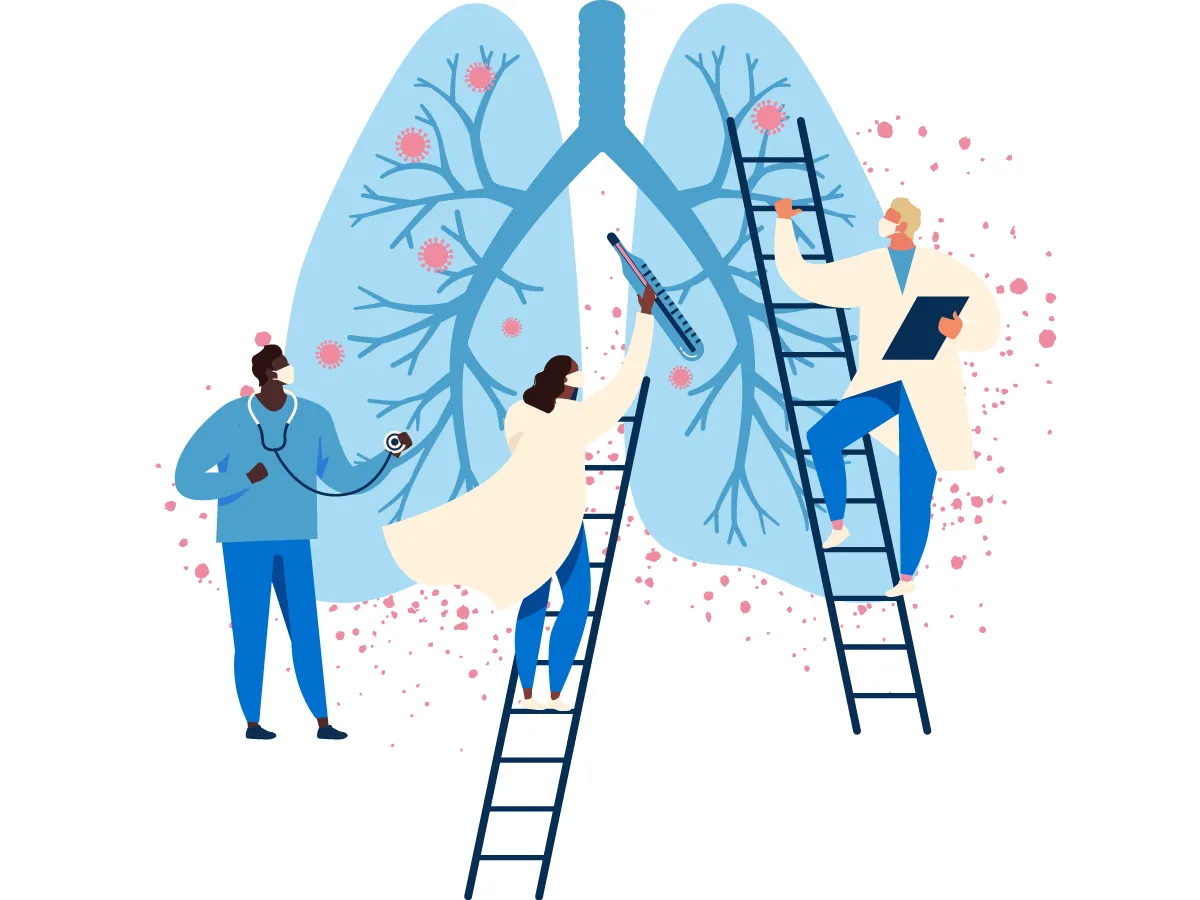
What are the symptoms of COVID-19?
Symptoms include:
- fever;
- cough;
- general weakness or fatigue;
- a change in or loss of taste or smell;
- sore throat;
- headache;
- muscle pains;
- diarrhoea.
The severity of the disease varies widely from person to person.
Some people are asymptomatic which means that they have no symptoms at all.
In serious cases, symptoms can include
- difficulty breathing or shortness of breath;
- confusion;
- chest pain.
People with severe symptoms may need specialised medical care and support.
Some people with severe COVID-19 symptoms may need to be admitted to hospital for this care. Some of the most severe cases may have to be admitted to intensive care, and in particular, elderly individuals or those with underlying conditions, may die.
What are the complications of COVID-19?
People with severe symptoms affecting the airways may need to be placed on a respirator (mechanical ventilation support). Some COVID-19 patients are also at higher risk of complications related to blood clotting, such as strokes or heart attacks.
The likelihood of needing to be admitted to hospital is higher for older adults and those with long-term illnesses or underlying conditions.
What is post-COVID-19 condition or long COVID?
A small number of patients may suffer long-term effects from SARS-CoV-2 infection. This is known as post-COVID-19 condition, or ‘long COVID-19’.
Symptoms include:
- loss of smell or taste;
- fatigue;
- general weakness;
- shortness of breath;
- cognitive impairment.
There is no test to diagnose post-COVID-19 condition and symptoms may last weeks, months, or longer. There is currently no treatment for this condition. However, evidence suggests that individuals vaccinated against COVID-19 are less likely to report post-COVID-19 condition symptoms.
How does COVID-19 spread?
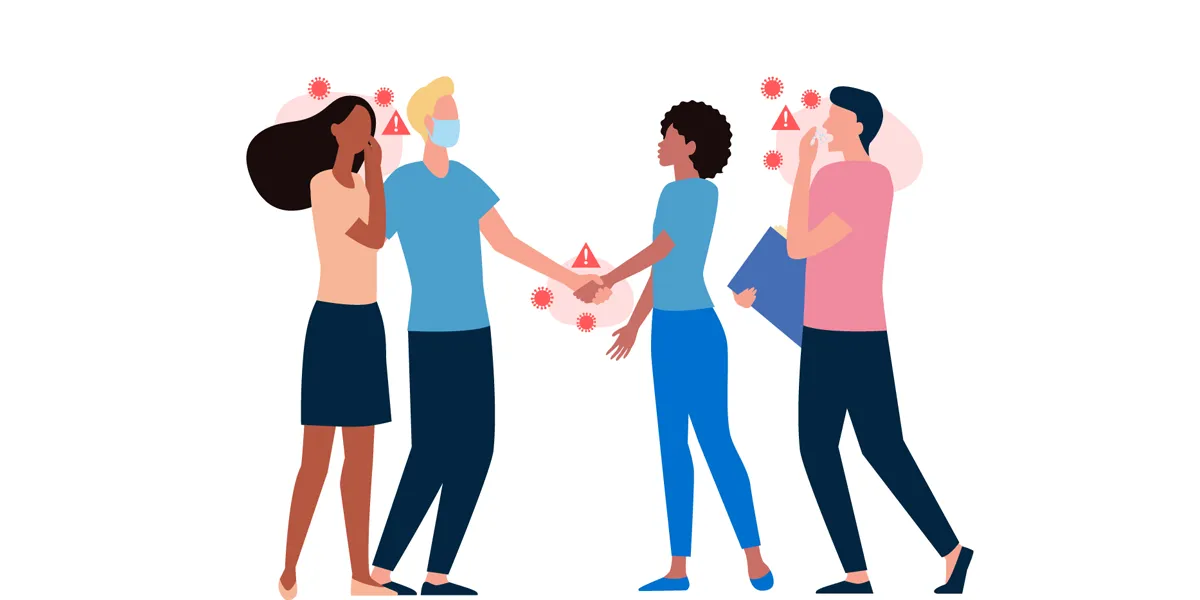
The SARS-CoV-2 virus spreads from person-to-person primarily via droplets released into the air by a person with an infection (particularly when speaking, singing, shouting, sneezing, coughing, etc.). These droplets can then reach other people close by (usually up to two metres away), who can breathe them in.
Transmission from one person with an infection to another can start two days before the first person even begins to show symptoms.
It usually takes five to six days for someone to start showing symptoms after contracting the disease. However, this can vary from one day to two weeks.
Larger particles (droplets) can also land on surfaces that other people may touch, causing them to pick the virus up on their hands and get the infection when they touch their eyes, nose, or mouth. However, this route of transmission is far less common than person-to-person transmission.
Who is at risk of COVID-19?
Everyone is at risk of COVID-19.
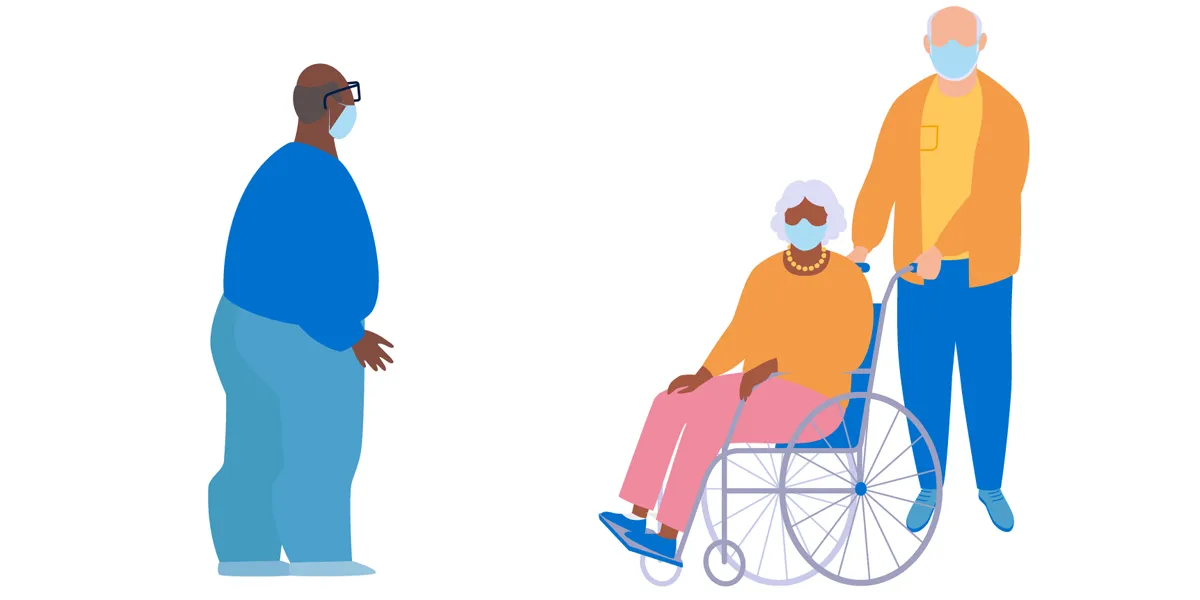
However, some population groups are more likely to develop severe disease. These include people over 60 year, pregnant women, and those with underlying health conditions, such as:
- obesity;
- high blood pressure;
- diabetes;
- heart disease;
- long-term diseases affecting the lungs and airways;
- conditions affecting the nervous system;
- a weakened immune system.
Symptoms in older adults also tend to be more severe than in young healthy adults and children. Nevertheless, all those who are infected may still pass the virus on to others, and some younger adults and children may also develop severe disease.
Crowded indoor spaces provide opportunities for COVID-19 to spread quickly: examples of locations where there have been significant outbreaks are prisons, migrant centres and food-processing plants.
How can COVID-19 be prevented?
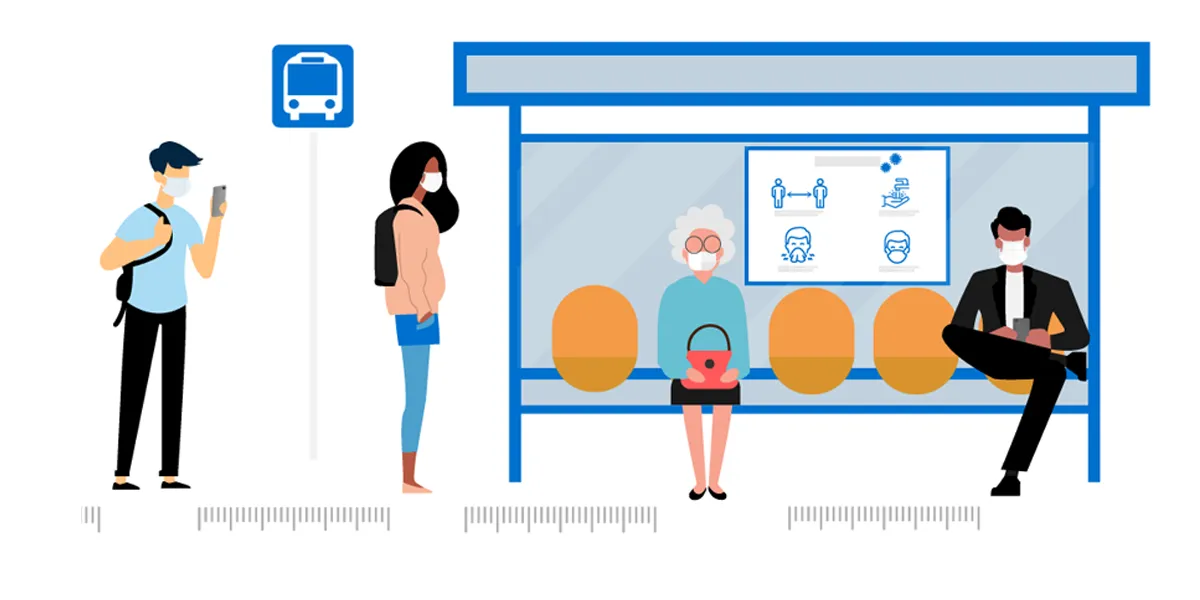
The most effective way to prevent COVID-19 is through vaccination. People who are vaccinated are less likely to experience severe disease or require admission to hospital. This is why public health authorities urge all individuals at risk of severe disease to get vaccinated against COVID-19.
Washing hands frequently with soap and water or using alcohol-based solutions also helps prevent the transfer of the virus from the hands into the body via the eyes, nose or mouth.
Vaccines authorised for use in the European Union
Several vaccines are authorised for use in the EU. A list of the authorised COVID-19 vaccines can be found here: COVID-19 medicines | European Medicines Agency (EMA)
How is COVID-19 treated?
Antiviral medicines that directly target the SARS-CoV-2 virus are available. These medicines are used to treat early infection in people at high risk of developing severe disease, to prevent the illness from worsening.
Antiviral medicines may form part of wider clinical supportive treatment options − e.g. oxygen support, delivered at the discretion of medical teams in charge of an individual’s care.
For the latest information on COVID-19 treatments, visit the European Medicines Agency’s (EMA) website: Treatments and vaccines for COVID-19 or the European Commission website: Treatments for COVID-19 (europa.eu)
Note: This factsheet is intended for the purpose of general information and should not be used as a substitute for the individual expertise and judgement of a healthcare professional.
Learn more

This infographic explains how influenza and COVID-19 can be prevented with vaccines.

This poster explains why it is important to get vaccinated against flu and COVID-19.

This leaflet explains why you should get vaccinated against flu and COVID-19 and who is at higher risk of severe disease.