
Tuberculosis (TB)
What is tuberculosis (TB)?
Tuberculosis (TB) is an infectious disease caused by various strains of mycobacteria, belonging to the group Mycobacterium tuberculosis complex. TB usually affects the lungs (pulmonary tuberculosis) but can also affect any part of the body (extrapulmonary tuberculosis) such as the kidneys, spine, and brain.
While TB rates have been steadily declining in the EU/EEA, the region still reports more than 35 000 cases each year.
At a glance: tuberculosis (TB) in Europe
- Bacterial disease which mostly affects the lungs
- TB spreads from person to person through the air
- It causes more than 35 000 cases and 3 000 deaths every year
- It can take months to recover from TB, and there is a risk of getting infected again
- Vaccination can help to prevent serious illness in children
What are the symptoms of TB?
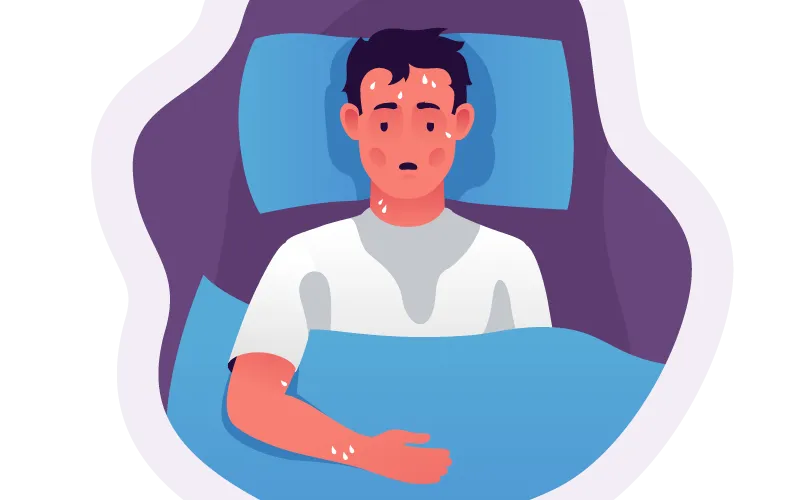
Tuberculosis symptoms vary depending on which part of the body is affected. In the EU/EEA, tuberculosis affects the lungs in around 80% of patients. In these cases, typical symptoms include:
- persistent cough (for more than two weeks)
- fever
- night sweats
- weight loss
Other symptoms can manifest if TB affects other parts of the body.
A person can contract TB bacteria without it causing the disease. In these cases, while a person has a TB infection, they do not develop any symptoms, are not sick and cannot spread the disease. However, the presence of the bacteria means they are at risk of developing the disease and symptoms without proper preventive treatment.
Are complications possible?
TB can cause permanent lung damage and survivors may suffer from a number of persistent respiratory health problems. Recurrent TB is also not uncommon.
If other parts of the body are infected, TB can cause permanent damage and lead to serious complications, such as infertility or kidney failure.
TB can also cause severe complications that may require hospitalisation (such as multiple organ failure and septic shock).
How is TB transmitted?
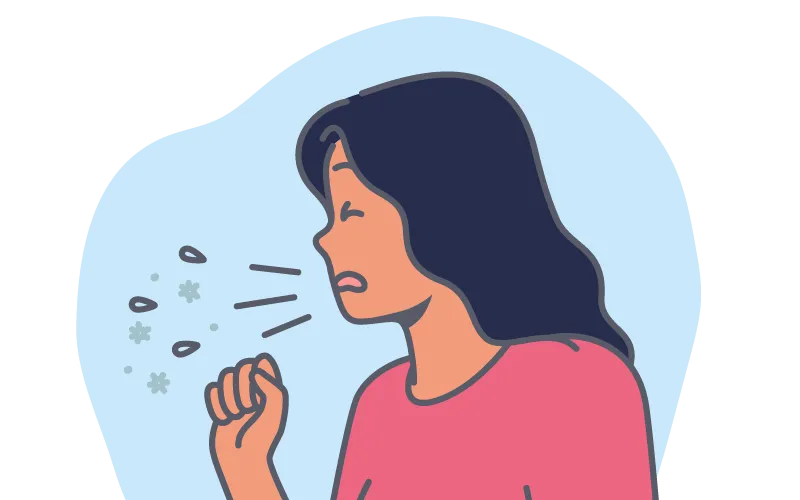
The bacteria that cause TB are airborne. This means that when a person with pulmonary TB coughs, sneezes or talks, they transmit the bacteria through the air from person to person through the tiny droplets that are released. When someone breathes in TB bacteria, it can settle in their lungs and begin to spread. TB is usually not infectious if it affects other parts of the body.
People with a TB infection but who are not sick cannot spread the disease to others.
Who is at risk?
Anyone can contract TB, but some people are more likely to develop the disease than others. These groups include:
- Those who spend a great deal of time in close contact with someone who has TB
- Those born in or living in an area where TB is common
- Those with a weakened immune system, such as people with HIV, or who are receiving certain medical treatments that affect the immune system
- Children under five years of age
- People who live in overcrowded conditions and in places with poor hygiene. This can include people who are homeless or people in prison.
How can TB be prevented?
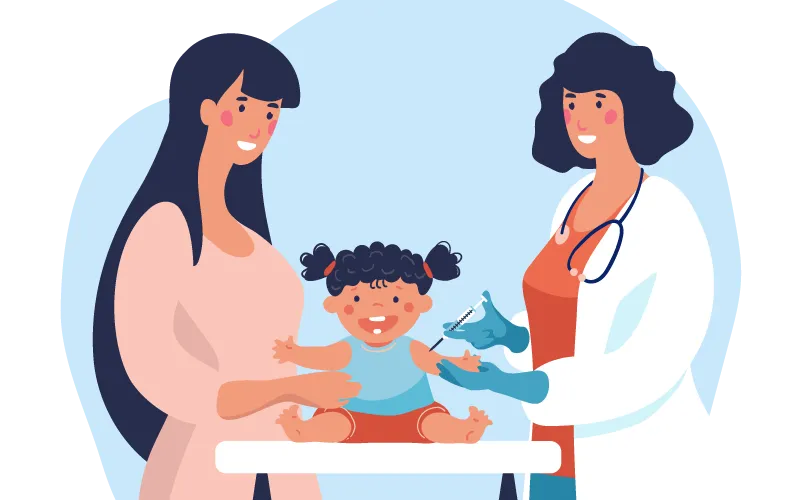
Vaccination can help to protect against severe forms of TB in young children. Beyond vaccination, the risk of TB can be reduced by taking several precautions:
- ensuring good ventilation
- practicing good hygiene
- covering the mouth and nose when coughing and sneezing
- providing TB preventive treatment to people with TB infections who are not yet sick.
Early detection of pulmonary TB is vital in helping to prevent the spread of the disease.
How is TB treated?
The standard treatment for TB is a combination of several antibiotics for at least four to six months. Treating forms of TB that are resistant to first-line drugs may require a different combination of antibiotics for longer periods (6 to 18 months).
TB treatment can cause side effects that require close monitoring and management by healthcare professionals.