
Mpox
What is mpox?
Mpox is a rare disease that is caused by monkeypox virus (MPXV). There are two types of MPXV: clade I and clade II, which are in turn divided into sub-clades Ia and Ib and sub-clades IIa and IIb respectively.
What are the symptoms of mpox?
The most common symptom of mpox are lesions on the skin which can look similar to chickenpox and other poxvirus infections. Skin lesions often start as spots that grow into blisters filled with fluid. These then crust over and form a scab. The skin usually heals completely.
In addition, people with mpox often have more than one of the following:
- Rash (around face, hands, feet genitals or anus);
- fever;
- headache;
- chills;
- exhaustion;
- swelling of the lymph nodes (the ‘glands’ in the armpit, groin or neck);
- back pain and achy muscle;
- sores inside the mouth or on the genitals.
At a glance: Mpox in Europe
- Mpox is an infection that causes blisters on the skin
- Mpox is caused by MPXV (monkeypox virus)
- You can contract mpox through close contact with someone who has the virus. Animals can also catch mpox and pass it on to humans
- There were over 26 000 cases of mpox in the EU/EEA between 2022 and 2026
- Vaccination can prevent mpox and its complications.
Are there potential complications of mpox?
Most people who get mpox recover without any complications.
People with mpox should visit a healthcare professional for a medical check to assess how severe the infection is. The doctor may also check for any risk factors. These include underlying conditions (including untreated HIV infection) and medicines that affect your immune system. People with severe symptoms may need to go to hospital.
How does mpox spread?
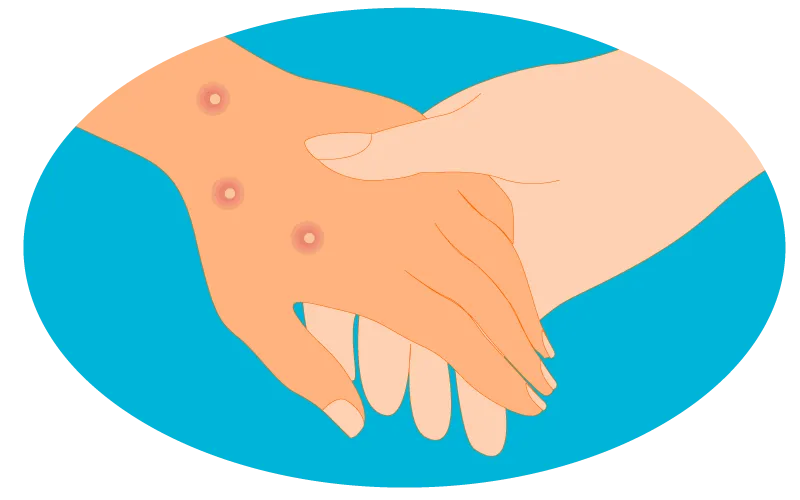
Mpox mainly spreads through close physical contact between people.
Contact with clothing, bedding, towels, objects, and other surfaces that have been touched by someone with mpox can also lead to transmission of the virus.
In Europe, MPXV is not common and has mostly spread among gay, bisexual and other men who have sex with men during sexual intercourse and other close skin-to-skin contact.
In Africa, MPXV also circulates among animals such as rodents, and it can be spread from infected animals to humans through direct contact.
Who is at risk of mpox?
In 2022, for the first time, a large number of mpox cases caused by clade II MPXV were reported in certain countries in the EU and worldwide. Most of these cases were among gay, bisexual and other men who have sex with men. Since 2022, cases have been reported each month in the EU/EEA in much lower numbers.
In November 2023, a new variant, MPXV sub-clade Ib, was detected in the Democratic Republic of the Congo and spread to several other African countries. Since October 2025, cases of this new variant have also been reported in multiple EU/EEA countries among gay, bisexual and other men who have sex with men.
While most cases in 2022 were among this population, it is important to note that mpox can potentially affect anyone who is in close physical contact with a person with the infection.
People with weakened immune systems due to underlying medical conditions or those who take certain medications or are under medical treatments such as chemotherapy can be more susceptible to mpox and its complications.
How can mpox be prevented?
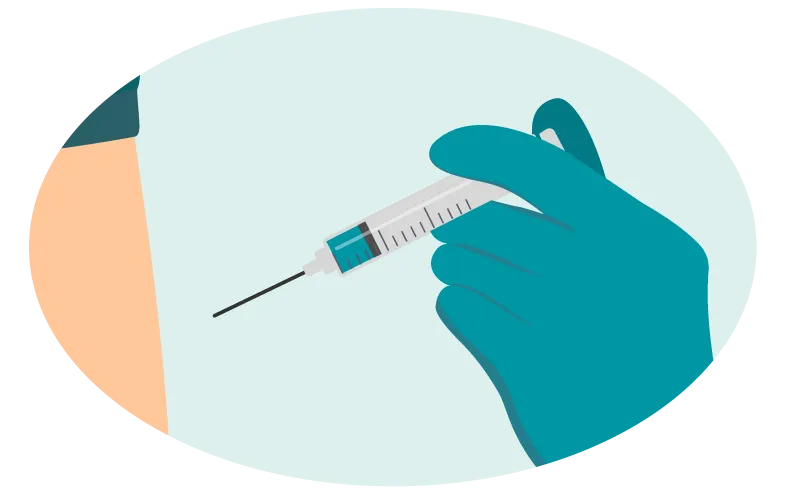
Imvanex is a vaccine authorised to protect against mpox.
Mpox can also be prevented by avoiding close physical contact with people with the infection and practicing good hygiene, such as washing your hands frequently with soap and water.
If you think that you might have been exposed to mpox, avoid close physical contact with others and see a doctor or another medical professional as soon as you can.
How is mpox treated?
Currently, there are no EU-approved treatments for mpox. Treatments are available to help relieve the rash, muscle pain and other symptoms of mpox. Patients sometimes receive medicines to prevent the skin getting infected.
Note: The information contained in this factsheet is intended for the purpose of general information and should not be used as a substitute for the individual expertise and judgement of a healthcare professional.
Learn more

Infographic explaining how you protect yourself against mpox.

This poster explains what mpox is, how to catch it and how to prevent it.